Optimal Timing for Drop Ceiling Installation
Determining the optimal time for drop ceiling installations depends on various factors including climate, building occupancy, and construction schedules. Typically, mid to late spring and early fall are preferred due to moderate temperatures and lower humidity levels, which facilitate easier installation and better material handling.
Installing during moderate weather conditions ensures better adhesion and reduces delays caused by extreme temperatures or humidity.
Scheduling installations during periods of low occupancy minimizes disruptions and allows for efficient work completion.
Planning ahead ensures access to necessary materials, which may be more readily available during certain times of the year.
Avoiding periods of high humidity or extreme temperatures helps maintain material integrity and installation quality.
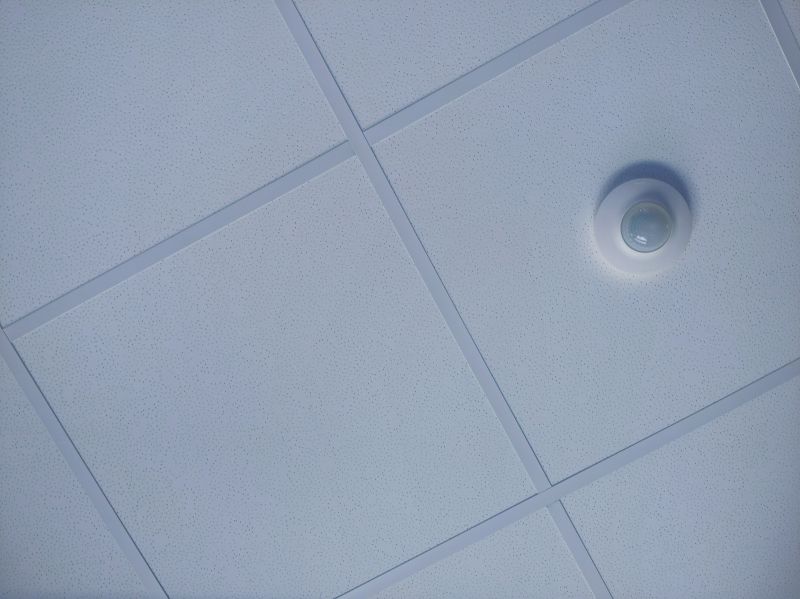
Mid-season installation benefits from moderate weather conditions, reducing material expansion issues.
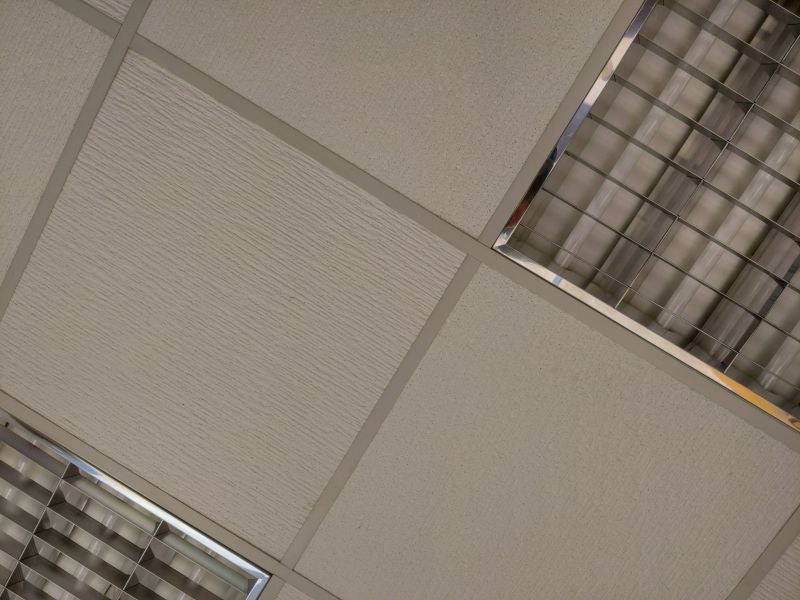
Ideal for avoiding summer heat and winter cold, ensuring smoother installation processes.
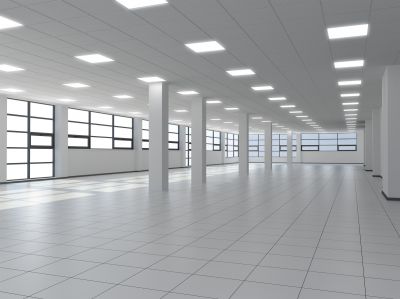
Indoor installations can be scheduled year-round, with timing influenced more by project timelines than weather.
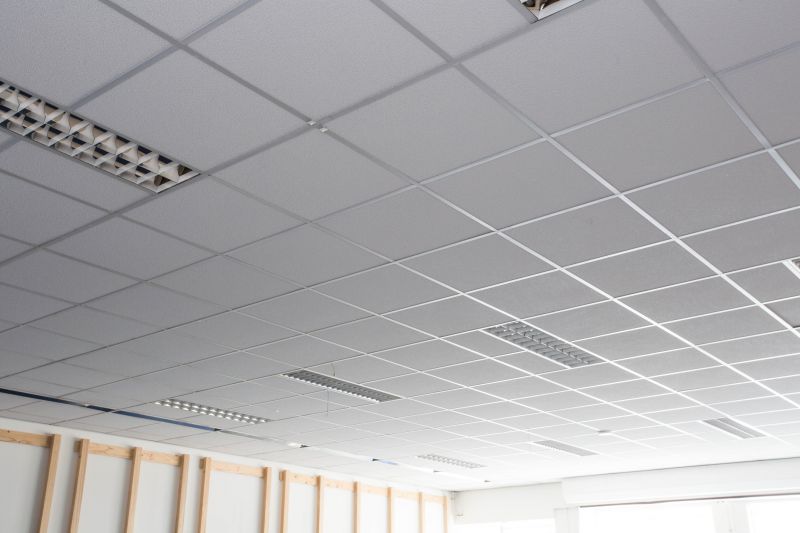
Ways to make Drop Ceiling Installations work in tight or awkward layouts.
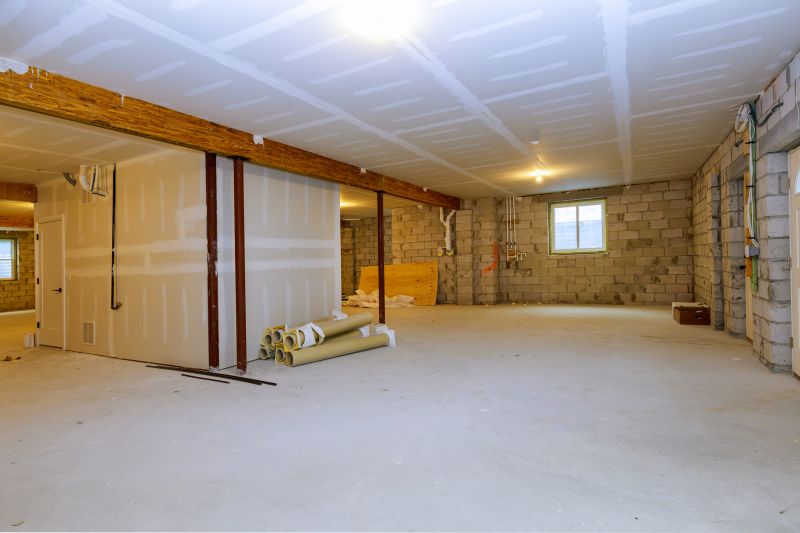
Popular materials for Drop Ceiling Installations and why they hold up over time.

Simple add-ons that improve Drop Ceiling Installations without blowing the budget.
Drop ceiling installations involve suspending a grid framework from the ceiling structure and fitting panels into the grid. This process allows for easy access to plumbing, wiring, and ductwork, making it a popular choice for commercial and residential spaces. Proper timing ensures that the materials are installed under optimal conditions, reducing the risk of warping or damage. Additionally, scheduling during periods of low humidity and moderate temperatures can improve the longevity and appearance of the ceiling panels.
| Factor | Best Time Consideration |
|---|---|
| Weather Conditions | Moderate temperatures and low humidity |
| Occupancy Levels | Periods of low occupancy or after hours |
| Material Supply | Pre-season planning for availability |
| Project Coordination | Align with other renovation phases |
| Environmental Impact | Avoid extreme weather seasons |
| Construction Schedule | Spring or fall for optimal conditions |
| Material Handling | Avoid high humidity or temperature extremes |
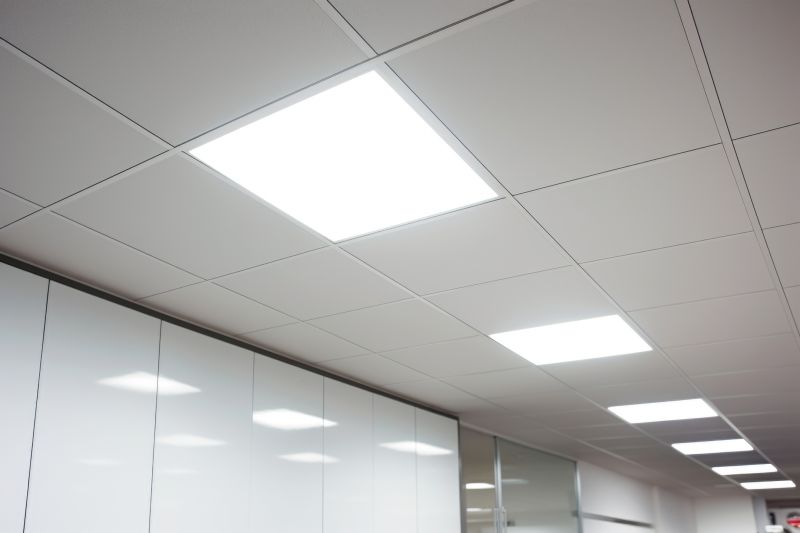
Indoor installations are flexible and can be scheduled throughout the year.
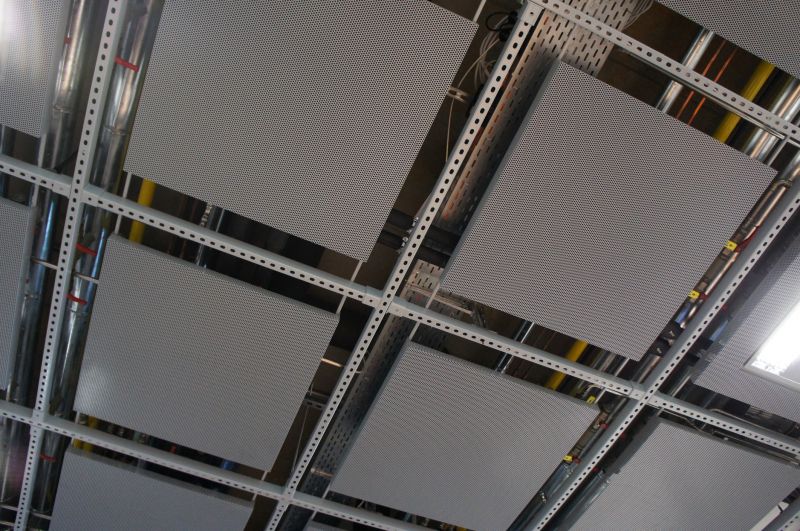
Spring offers ideal weather for installation activities.
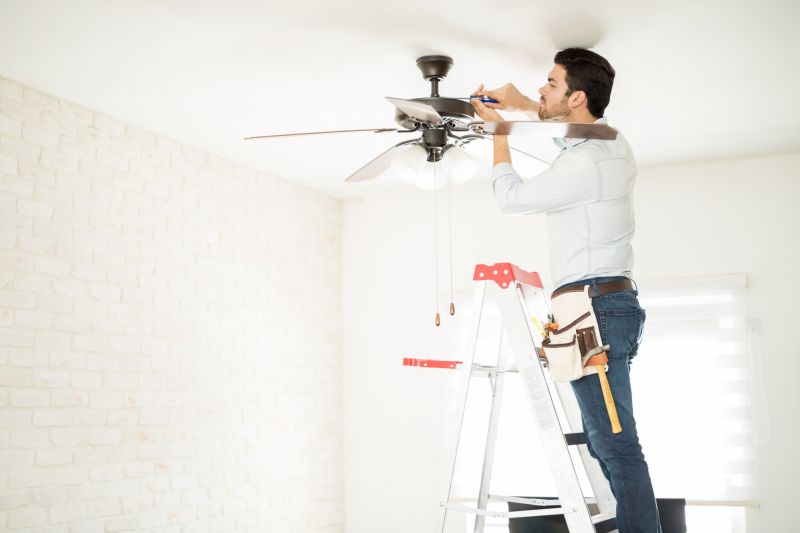
Fall provides cooler temperatures suitable for ceiling work.
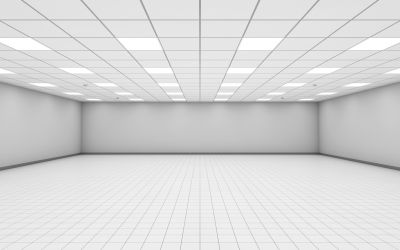
Proper planning ensures smooth installation during optimal periods.
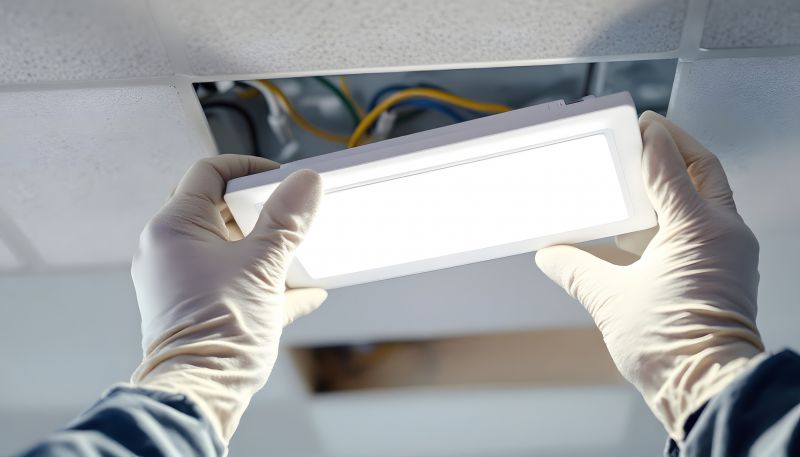
High-end options that actually feel worth it for Drop Ceiling Installations.
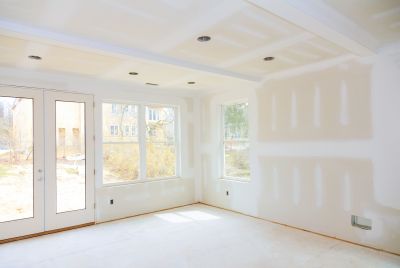
Finishes and colors that play nicely with Drop Ceiling Installations.
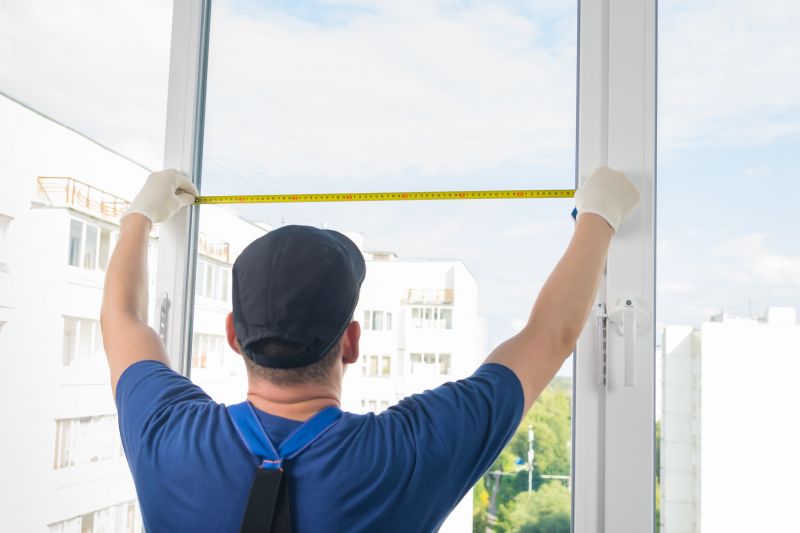
Little measurements that prevent headaches on Drop Ceiling Installations day.
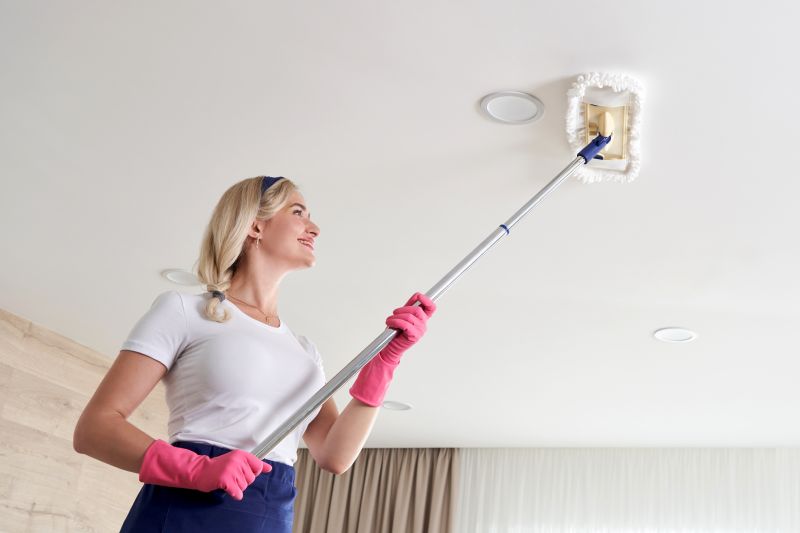
A 60-second routine that keeps Drop Ceiling Installations looking new.
Choosing the right time for drop ceiling installation can significantly impact project efficiency, cost, and quality. Proper planning around seasonal weather patterns and building occupancy schedules ensures that the installation process proceeds smoothly. For optimal results, it is recommended to coordinate with other renovation activities and consider environmental factors that may affect material performance and durability.
Interested in scheduling a drop ceiling installation? Fill out the contact form to discuss your project timeline and requirements. Proper timing can lead to better results and longer-lasting ceilings, making early planning a valuable step in the process.